
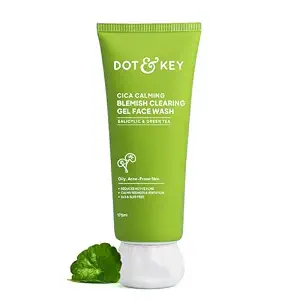
Dot and key fashwash
Dot & Key CICA Face Wash for Acne Prone Skin, 2% Salicylic Acid with Green Tea | For Oily & Sensitive Skin | Sulphate Free for Men & Women | Oil Control Face Wash with Zinc | 175ml

Dot & Key CICA Face Wash for Acne Prone Skin, 2% Salicylic Acid with Green Tea | For Oily & Sensitive Skin | Sulphate Free for Men & Women | Oil Control Face Wash with Zinc | 175ml
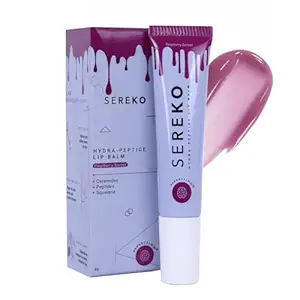
Lip gloss is a fluid, high-shine cosmetic product designed to give lips a sleek, reflective, and plump appearance. It can be worn entirely on its own for a subtle sheen or layered over lip liner and lipstick to add intense dimension and moisture. Key Benefits & Product Features High-Reflective Shine: Reflects light effortlessly to create a glossy, glass-like finish that instantly catches attention. Instant Volumising: The dimensional shine creates an optical illusion that makes lips appear instantly fuller, smoother, and plumper. Deep Hydration: Packed with nourishing oils and emollients that seal in moisture, banishing dry flakes and chapped lines. Versatile Finishes: Available in crystal-clear liquids, soft tints, high-pigment creams, and dazzling shimmer or glitter formulas. Non-Sticky Textures: Modern, advanced formulas deliver a lightweight, cushiony feel on the lips without the heavy, tacky stickiness of older glosses. How to Apply for Best Results Center Application: Apply a small dollop of gloss directly to the center of your bottom lip. Spread Outward: Press your lips together and use the applicator to gently spread the gloss toward the outer corners. Layer Over Color: Dab a tiny amount strictly onto the center of a lipstick-and-liner base to create a high-impact, pouty look. Popular Market Options Fenty Beauty Gloss Bomb: A globally adored, universal gloss that delivers explosive shine and intense hydration without feeling sticky. Dior Addict Lip Glow Oil: A luxurious, nourishing oil-gloss hybrid that adapts to the natural moisture level of your lips for a custom color tint. Maybelline Lifter Gloss: A highly rated high-street option infused with hyaluronic acid for an ultra-smooth, affordable lifting effect. Are you looking to write a marketing description for an online store, or do you want a description tailored to a specific finish like clear, tinted, or plumping?
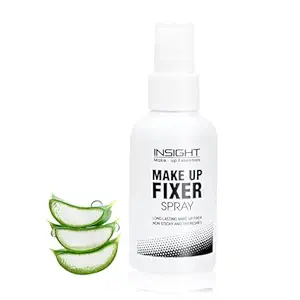
Makeup fixer (commonly known as setting spray) is a fine liquid mist designed to lock makeup in place, extend its wear time, and prevent melting, fading, or settling into fine lines. It acts as an invisible protective shield against heat, humidity, and sweat, ensuring cosmetics look freshly applied for hours. [1, 2, 3, 4, 5] Key Benefits & Product Features All-Day Longevity: Prolongs makeup wear for up to 16 hours, shielding it from sweat and friction. Anti-Smudge & Anti-Feathering: Keeps foundation, eyeshadow, and blush firmly in place without transferring onto clothes or masks. Melts Layers Together: Dissolves the dry, powdery look of makeup, blending powders and liquids into a seamless, skin-like finish. Custom Finishes: Available in matte formulas to control excess shine, or dewy formulas to add a healthy, luminous glow. Weightless Hydration: Often infused with skin-loving ingredients like aloe vera, vitamin E, or hyaluronic acid to keep skin comfortable and refreshed. [6, 7, 8, 9, 10] How to Apply for Best Results Shake Well: Shake the bottle thoroughly to mix the setting polymers and active ingredients evenly. Distance Matters: Hold the bottle roughly 8 to 10 inches away from your face to avoid large water droplets. Spray Strategy: Close your eyes and mouth, then mist your face in an “X” and “T” formation for complete, even coverage. Let It Air Dry: Allow the mist to dry naturally for a few seconds without touching your face to let the protective film set. [11, 12, 13, 14, 15] Popular Market Options Urban Decay All Nighter Setting Spray: A global cult-favorite featuring temperature control technology to keep makeup cool and flawless. MAC Prep + Prime Fix+: A lightweight water mist packed with vitamins and minerals to hydrate skin and give a natural, non-cakey finish. Swiss Beauty Makeup Fixer: A highly rated, budget-friendly option enriched with aloe vera and vitamin E that keeps makeup intact without dryness. [16, 17, 18, 19, 20] Are you creating a product listing description for an e-commerce brand, or do you need help finding the best fixer for your specific skin type? [
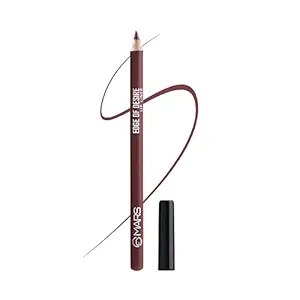
Lip liners are precision makeup pencils designed to define, shape, and structure the lips while extending the wear of lipsticks and glosses. They act as a protective barrier, preventing lip colors from feathering, bleeding, or smudging throughout the day. [1, 2, 3, 4, 5] Key Benefits & Product Features Precise Definition: Creates clean, crisp borders to easily correct asymmetrical lip shapes or enhance the natural lip line. Prevents Feathering: Establishes a highly effective barrier that locks cream and liquid lipsticks firmly in place without bleeding. Volume Boosting: Ideal for overlining techniques to effortlessly simulate a plumper, fuller, and more dimensional pout. Extended Wear: Features highly pigmented, long-lasting formulas that serve as an excellent adhesive base when applied all over the lips. Comfortable Textures: Available in ultra-creamy matte wood-clenched pencils or convenient retractable gel formulas that glide on smoothly without tugging. [6, 7, 8, 9, 10] How to Apply for Best Results Prep: Exfoliate and apply a light lip balm, blotting away any excess oil before you begin. Map: Mark a small ‘X’ at the cupid’s bow, then outline the center of the bottom lip. Connect: Draw short, light strokes from the outer corners of the mouth inward to meet the center marks. Blend: Shade slightly inward toward the center of the lips using a lip brush or finger to ensure a seamless gradient. [11, 12, 13, 14] Popular Market Options MAC Lip Pencil: A cult-favorite, professional-grade wood pencil known for precise lines and an extensive range of nude shades. Charlotte Tilbury Lip Cheat: A waterproof, velvety gel formula that glides effortlessly and stays locked in place for up to six hours. NYX Professional Makeup Slim Lip Pencil: A highly pigmented, budget-friendly staple loved for its smooth application and non-drying matte finish. [15, 16, 17, 18] Are you looking to write a product description for a specific brand, or do you need help choosing the right shade to match your favorite lipstick?
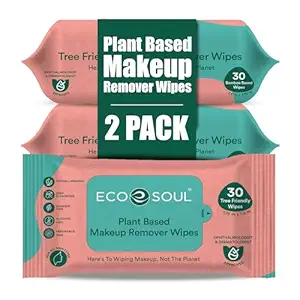
Makeup remover wipes are pre-moistened, ultra-soft disposable cloths designed to quickly dissolve and lift away cosmetics, surface oils, and everyday impurities without the immediate need for running water. They offer a highly convenient, travel-friendly solution for individuals looking to refresh their skin or clear out heavy makeup after a long day. [1, 2, 3, 4, 5]
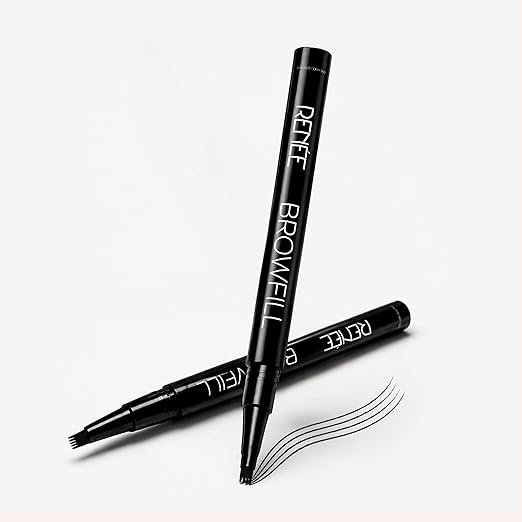
An eyebrow pencil is a specialized cosmetic tool designed to define, fill in, shape, and structure the eyebrows with ultimate precision. [1, 2, 3, 4, 5] As the eyebrows act as the frame for the entire face, an eyebrow pencil is one of the most transformative products in a makeup kit. It mimics the appearance of natural brow hairs to patch up sparse areas, correct asymmetry, and extend short brow tails. Unlike bulky powders or gels, a pencil allows for highly controlled, stroke-by-stroke application, making it easy to transition from a soft, natural look to a sharp, high-definition brow. [6, 7, 8, 9, 10] Key Types of Eyebrow Pencils Micro-Slim Pencils: Featuring an ultra-fine tip (usually 1.5mm or smaller), these pencils are engineered for precision. They are perfect for drawing crisp, microscopic, hair-like strokes in sparse areas to create a highly realistic, “feathery” look. Triangular / Angled Pencils: These feature a thicker, custom-shaped geometric tip. The sharp edge can be used to outline the brow line, while the flat, wide underside quickly fills in large gaps, making them ideal for fast, everyday grooming. Traditional Wooden Pencils: Classic pencils that require a sharpener. They generally offer a slightly firmer wax texture that holds up exceptionally well throughout the day, allowing you to sharpen the tip to your exact preference. [11, 12, 13, 14, 15] Key Product Benefits & Features Natural Hair Mimicry: The thin lead design allows users to avoid the blocky, stamped-on look of the past, delivering fine lines that look indistinguishable from real brow hairs. Firm, Controlled Pigment: Unlike standard eyeliners which are soft and creamy, brow pencils are formulated with a firmer blend of wax and pigment. This ensures the product goes on lightly and doesn’t smudge, smear, or deposit too much color at once. Long-Wearing and Smudge-Proof: Most modern eyebrow pencils feature waterproof, sweat-resistant, or transfer-resistant formulas, ensuring your brow shape stays locked in place even on oily skin or in humid weather. Dual-Ended Convenience: Almost all retractable brow pencils come equipped with a built-in spoolie brush on the opposite end. This tool is essential for combing through the hairs to distribute pigment and soften harsh lines. [16, 17, 18, 19, 20] How to Apply It Effectively Brush Up: Use the spoolie end to brush your eyebrow hairs upward. This reveals the actual shape of your brow arch and exposes any hidden bald spots or sparse areas. Outline Lightly: Using very light pressure, define the bottom baseline of your brow, starting from the arch and moving toward the outer tail. Fill with Feathery Strokes: Hold the pencil loosely and flick it upward and outward in the direction of your natural hair growth. Focus the pigment on the center and tail of the brow, keeping the inner front corner incredibly soft and light. Blend for a Natural Finish: Run the spoolie brush through your brows one final time. This crucial step softens any hard wax lines and blends the pigment seamlessly into your natural hairs. [21, 22, 23, 24, 25] Would you like me to generate a list of optimized tags for an eyebrow pencil, or do you need help choosing the correct brow shade based on your hair color?
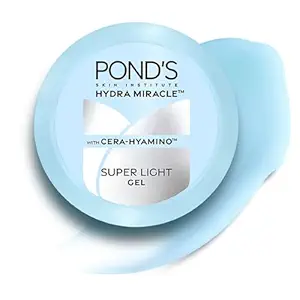
Moisturizer is a foundational skincare product formulated to hydrate, nourish, and protect the skin’s natural barrier. It is designed to prevent moisture loss from the skin cells, draw water from the environment into the skin layers, and soothe irritation. Whether formulated as a rich cream, a lightweight gel, or a fluid lotion, a daily moisturizer is essential for every skin type to maintain skin elasticity, prevent premature aging, and create a smooth, healthy canvas for makeup application. How Moisturizers Work: The Three Main Ingredients To effectively hydrate the skin, a well-balanced moisturizer typically combines three distinct types of ingredients: Humectants (The Water Magnets): Ingredients like hyaluronic acid, glycerin, and aloe vera. They pull water from the air and from the deeper layers of your skin up into the top layer (epidermis) to plump up dry skin cells. Emollients (The Smoothers): Ingredients like ceramides, squalane, and jojoba oil. They fill in the microscopic gaps and cracks between flakes of dry skin, smoothing out texture and repairing the skin barrier. Occlusives (The Shield): Ingredients like shea butter, petrolatum, and beeswax. They form a physical, protective seal on top of the skin to lock all the hydration inside and prevent it from evaporating into the air (a process known as Transepidermal Water Loss). Key Product Types & Textures Gel Moisturizer: Water-based, oil-free, and incredibly lightweight. It absorbs instantly into the skin without leaving any greasy residue. It is ideal for oily and acne-prone skin types, or for use in hot, humid climates. Lotion: A balanced, fluid emulsion of oil and water that is heavier than a gel but lighter than a cream. It offers comfortable hydration and works best for normal, combination, and mild oily skin types. Cream: A thick, oil-enriched formula designed to deliver deep, long-lasting nourishment. It strengthens weak skin barriers and is highly recommended for dry, mature, and sensitive skin types, or for nighttime repair. Key Benefits of Daily Use Regulates Oil Production: Dehydrated skin often overcompensates by producing excess sebum (oil), which leads to clogged pores and acne. Applying a lightweight moisturizer keeps skin balanced and controls unnecessary shine. Combats Dryness and Flaking: It immediately eliminates dullness, dry patches, and rough texture, leaving the skin feeling soft, supple, and comfortable. Prevents Early Signs of Aging: Hydrated skin is naturally plumper, which visually minimizes the appearance of fine lines, wrinkles, and crow’s feet. Preps Skin for Makeup: It smooths down flaking skin and fills in micro-textures, preventing foundations and concealers from clinging, caking, or separation throughout the day. How to Apply It Effectively Apply to Damp Skin: Smooth your moisturizer onto your face immediately after cleansing or applying serums while your skin is still slightly damp. This allows the product to trap and lock in that extra surface moisture. Use Upward Motions: Gently massage a nickel-sized amount onto your face and neck using upward and outward circular strokes to avoid pulling down on the skin. Let It Set: Wait 2 to 3 minutes to let the moisturizer completely absorb into your skin before moving on to your sunscreen, BB cream, or makeup foundation. Would you like me to generate a list of optimized tags for moisturizer, or should I help you find the right moisturizer texture based on your specific skin type?
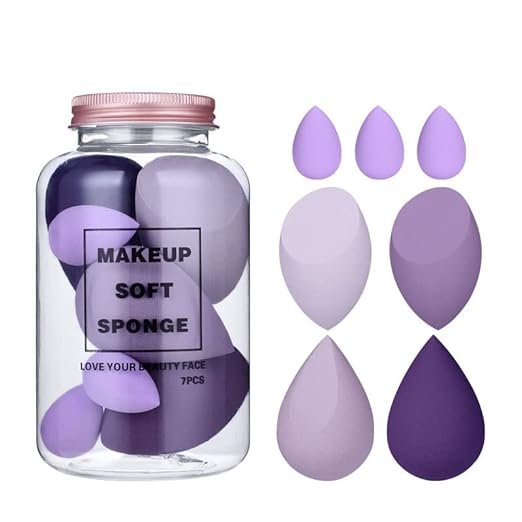
A makeup sponge—often called a beauty sponge or blender—is a soft, porous, and reusable applicator tool designed to seamlessly blend liquid, cream, and powder cosmetics into the skin. Made famous by the iconic teardrop-shaped Beautyblender, these sponges have revolutionized the cosmetics industry by offering an alternative to traditional brushes. They are engineered using advanced, hydrophilic (water-loving) polyurethane foam. When wet, the sponge expands to twice its size, absorbing water instead of your expensive makeup. This allows the product to sit strictly on top of the sponge, transferring effortlessly to your skin for a streak-free, airbrushed finish. Key Shapes and Their Uses Teardrop Shape: The classic design. The large, rounded bottom is perfect for quickly bouncing foundation across broad areas like the cheeks and forehead. The pointed tip offers precision for tight areas, such as blending under-eye concealer or tapping product around the nose. Flat-Edged / Wedge Shape: Features a flat, angled cut on one or more sides. This edge is excellent for flat-pressing setting powder under the eyes and along the jawline for “baking.” It is also highly effective for creating sharp, clean lines when carving out a contour. Hourglass Shape: Designed with a pinched middle, making it easy to grip during fast application. The dual rounded ends provide versatility for separating your foundation application from your blush or bronzer. Micro / Mini Sponges: Miniature versions of the teardrop shape. These are specialized tools meant strictly for targeted spot concealing, inner-eye brightening, or blending cream eyeshadows. Key Product Benefits & Features Flawless, Streak-Free Finish: Unlike brushes, which can leave faint lines or streaks behind, a sponge uses a stippling (bouncing) motion. This mimics the natural texture of the skin, resulting in a finish that looks like a second skin. Controlled, Buildable Coverage: Because the sponge is damp, it naturally shears out heavy foundations, giving you total control. You can lay down a sheer tint or build up multiple layers for full coverage without the makeup ever looking cakey or heavy. Versatility Across Formulas: A single sponge can handle your entire liquid and cream routine—including primer, foundation, concealer, cream blush, and liquid contour. It can even be used to press translucent powder into oily zones to set the face. Soothing on Textured Skin: For individuals dealing with dry patches, flakiness, or active acne, brushes can micro-exfoliate the skin and accentuate texture. A damp sponge gently presses product over texture without irritating or disrupting the skin. How to Use a Makeup Sponge Correctly Wet It Completely: Submerge the sponge under running water and squeeze it repeatedly until it fully expands to its maximum size. Squeeze Out Excess: Wring out all the water thoroughly. Then, squeeze it one final time inside a clean towel. The sponge must be damp, not wet. Bounce, Don’t Swipe: Apply your makeup to your face or the sponge, and use a continuous bouncing or tapping motion (stippling) across the skin. Never drag, wipe, or rub the sponge across your face, as this drags the product off and creates streaks. Clean After Use: Wash the sponge after every use with a gentle solid soap or liquid cleanser to remove trapped pigment, oils, and bacteria. Lifespan and Hygiene Because makeup sponges stay damp and contact the skin daily, they are prone to harboring bacteria and mold if neglected. Drying: Always dry your sponge in an open, well-ventilated area. Never lock a damp sponge inside a dark, unventilated makeup bag or drawer. Replacement: Even with daily washing, the foam material naturally degrades over time, losing its bounce and developing micro-tears. To keep your skin clear of breakouts, replace your makeup sponge every 1 to 3 months. Would you like me to generate a list of optimized tags for a makeup sponge, or would you like to see a comparison between using a brush versus a sponge?
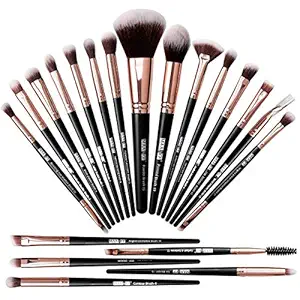
Makeup brushes are specialized beauty tools designed to apply, blend, shade, and sculpt cosmetic products onto the skin with precision and control. [1, 2, 3, 4, 5] While fingers or sponges can be used for basic application, brushes are the definitive tools of the trade for both professional makeup artists and everyday enthusiasts. They act as an extension of the hand, engineered with specific shapes, bristle densities, and fiber types to interact perfectly with liquid, cream, and powder formulas. Using the correct brush not only elevates the final look but also maximizes the performance of your makeup products by preventing patchiness and streaking. [6, 7, 8, 9, 10] Anatomy of a Makeup Brush The Bristles (Hair): The most critical part of the brush, responsible for picking up and distributing product. The Ferrule: The metal band (usually aluminum or brass) that holds the bristles firmly in place and glues them to the handle. A high-quality, double-crimped ferrule prevents shedding. The Handle: Typically made of wood, plastic, or acrylic, designed with weight and balance in mind to give you optimal control during application. [11, 12, 13, 14, 15] Material Types: Synthetic vs. Natural Bristles [16] Synthetic Bristles: Made from man-made materials like nylon, taklon, or polyester. Because they are non-porous, they do not absorb liquid or cream cosmetics. This makes them the perfect choice for applying foundations, concealers, liquid blushes, and cream lipsticks. They are also completely vegan, cruelty-free, and incredibly easy to deep-clean. Natural Bristles: Made from animal hair (such as goat, pony, sable, or squirrel). These bristles contain natural cuticles that excel at grabbing and picking up loose or pressed powder pigments. They are ideal for eyeshadows, setting powders, powder blushes, and bronzers, offering unparalleled, seamless blending. [17, 18, 19, 20, 21] Essential Brush Types & Their Uses 1. Face Brushes Foundation Brush: Can be a flat paddle brush for paint-like application, or a dense, flat-top buffing brush to blend liquid formulas into a seamless, airbrushed finish. Powder Brush: A large, fluffy, dome-shaped brush designed to lightly dust loose or pressed setting powders across the entire face without disturbing the base makeup underneath. Blush & Bronzer Brush: Often angled to fit the natural curves of the cheekbones, allowing for precise placement of warmth and color. Contour Brush: A dense, smaller angled brush used to apply deep tones into the hollows of the cheeks, jawline, and temples for structural definition. Highlighter Brush: Often fan-shaped or tapered like a small teardrop, designed to sweep shimmering pigments lightly onto the high points of the face. [22, 23, 24, 25, 26] 2. Eye and Lip Brushes Flat Shader Brush: A dense, flat brush used to pack eyeshadow tightly onto the eyelid for maximum color payoff. Blending Brush: A fluffy, tapered brush essential for softening harsh edges and seamlessly diffusing eyeshadow colors into the crease. Eyeliner/Angle Brush: A micro-fine, ultra-thin angled brush used to draw precise wing outlines with gel, cream, or powder liner. Spoolie Brush: A spiral, mascara-like wand used to brush through eyebrows to shape them and blend out eyebrow products. Lip Brush: A small, firm, pointed brush designed to cleanly line and fill the lips with precision. [27, 28, 29, 30, 31] Cleaning and Maintenance To protect your skin from acne-causing bacteria and prolong the lifespan of your brushes, they require regular maintenance. [32, 33, 34] Frequency: Clean foundation and concealer brushes once a week (as liquids harbor bacteria faster). Powder and eye brushes should be washed every two weeks. Method: Use a gentle brush cleanser or baby shampoo mixed with lukewarm water. Swirl the bristles on a silicone cleansing mat, rinse thoroughly, and always dry them flat or upside down. Drying them upright allows water to seep into the ferrule, melting the glue and causing the bristles to shed. [35, 36, 37, 38, 39] Would you like to explore a list of optimized tags for makeup brushes next, or should I recommend an essential beginner’s brush kit?
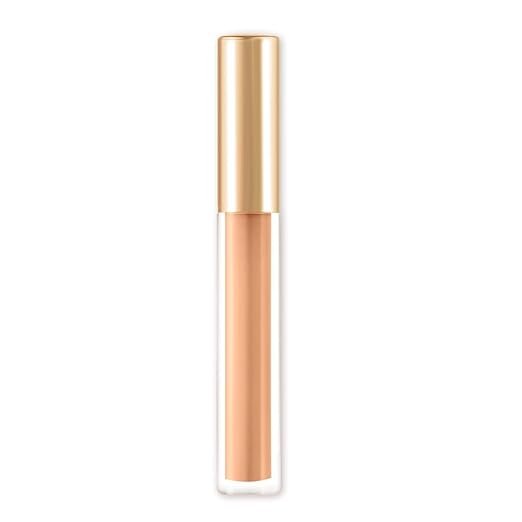
Concealer is a highly pigmented cosmetic product designed to hide, camouflage, and neutralize specific facial imperfections that a regular foundation cannot fully cover [1]. While foundation is meant to even out your overall skin tone across your entire face, concealer acts as a targeted spot-treatment tool. It features a thicker, more concentrated formula that effortlessly masks dark circles, acne blemishes, redness, hyperpigmentation, and scars [1]. Beyond camouflage, it is also a powerful structural tool used by beauty enthusiasts to highlight, contour, and visually lift the features of the face. Key Types of Concealers Liquid Concealer: The most versatile and popular option. It offers buildable coverage (from light to full) and works beautifully on almost all skin types. It is particularly great for the delicate under-eye area because it is less likely to crease. Cream Concealer: A thicker, more emollient formula that typically provides medium-to-full coverage. It is excellent for covering intense discoloration or dark spots, but it usually needs to be set with powder to prevent sliding. Stick Concealer: A solid, lipstick-like tube that offers dense, maximum full-coverage. It is ideal for spot-concealing stubborn acne blemishes and scars on the go, but it can be too heavy or drying for the under-eye area. Color-Correcting Concealer: Tinted formulas (green, peach, orange, purple) based on color theory. They neutralize underlying discoloration before you apply regular concealer (e.g., green cancels out red acne; peach/orange cancels out blue under-eye circles). [1, 2, 3] Key Product Benefits & Features Flawless Spot Camouflage: Its high concentration of pigment allows you to hide specific spots with a very small amount of product, keeping the rest of your skin looking natural and lightweight. Brightening and Lifting: Applying a liquid concealer that is 1–2 shades lighter than your actual skin tone under the eyes, down the bridge of the nose, and in the center of the forehead instantly brightens the face and creates a youthful, “awake” look. Sharp Definition: Makeup artists use concealer to clean up and sharpen makeup lines. Edging concealer along the borders of your brows or your lipstick creates perfectly crisp, professional lines. Long-Lasting, Focused Wear: Modern formulas are engineered with smudge-resistant, waterproof, or crease-proof technologies to ensure that heavy-duty coverage stays locked onto moving areas of the face all day. [4] How to Apply It Effectively Prep: Hydrate the skin first. Apply an eye cream under the eyes to prevent the concealer from looking dry or settling into fine lines. Placement: Apply a few dots to the inner and outer corners of the under-eye area to lift the eye, or dab directly onto the center of a blemish. Blend: Gently tap the product into the skin using your ring finger (the warmth helps melt the product) or a damp beauty sponge. Do not rub or swipe, as this wipes the product away instead of blending it in. Set: Immediately dust a lightweight, translucent setting powder over the concealed areas to lock the pigment in place and prevent creasing. Would you like some help choosing the right concealer shade for your skin tone, or should I generate a list of optimized tags for concealer like we did for the BB cream?